Skylight: Evaluating a Graffiti Display Font for Urban Design Projects
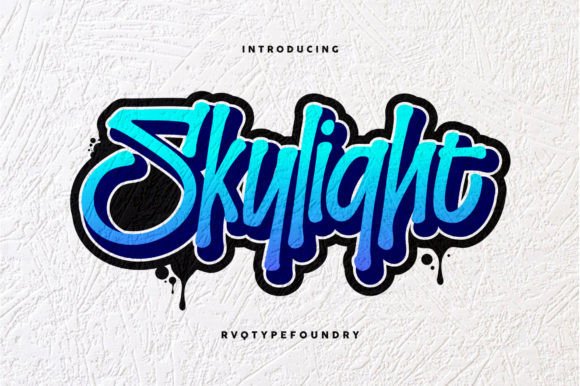
In the realm of graphic design, typography serves as the voice of a visual message. For projects requiring an urban, rebellious, or streetwise aesthetic, selecting the right typeface is critical. Skylight emerges as a notable option in this category, defined as a cool and edgy graffiti display font. Unlike standard sans-serif or serif families designed for neutrality, Skylight is engineered to make a statement. Its characters feature jagged edges and intricate details that mimic the texture and energy of street art. This article evaluates the characteristics of Skylight to help designers, marketers, and creatives determine if it aligns with their specific project goals.
Understanding the Aesthetic of Skylight
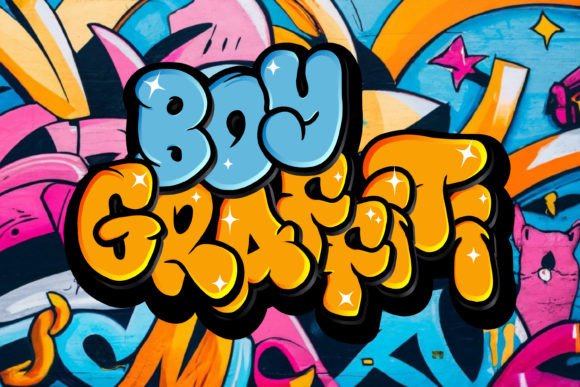
At its core, Skylight is a display font, meaning it is intended for use in headlines, logos, and short bursts of text rather than long-form body copy. The design language draws heavily from graffiti culture, incorporating irregular strokes and sharp terminations that suggest speed and spontaneity. The "jagged edges" mentioned in its description are not merely decorative; they contribute to a sense of movement and raw energy. These intricate details give the font a personality that is distinctly rebellious and streetwise.
When evaluating Skylight, one must consider the visual weight it carries. The font does not recede into the background; it demands attention. This makes it a powerful tool for brands or campaigns that wish to project confidence, youthfulness, or counter-culture credibility. However, the very features that make it striking—its complexity and irregularity—also dictate where and how it should be applied.
Ideal Use Cases and Strong Fits
Certain design scenarios are naturally suited to the personality of Skylight. Understanding these contexts helps in deciding whether to invest time in mastering this typeface.
- Event Posters and Flyers: Music concerts, skate competitions, and urban art exhibitions often require typography that reflects the energy of the event. Skylight's bold nature ensures high visibility on posters, even from a distance.
- Logo Design for Lifestyle Brands: Streetwear clothing lines, skateboard shops, and urban beverage companies can leverage Skylight to establish an immediate connection with a younger, trend-conscious demographic. The font's unique letterforms can serve as a memorable brand identifier.
- Social Media Graphics: In digital environments where stopping the scroll is paramount, the edgy style of Skylight can break through the noise of standard corporate aesthetics.
- Album Artwork and Merchandise: Musicians in genres like hip-hop, punk, or electronic dance music often seek visuals that match the intensity of their sound. Skylight provides a ready-made visual rhythm that complements these styles.
In these situations, the font acts as more than just text; it becomes a graphical element that sets the tone before a single word is read.
Tradeoffs and Practical Considerations
While Skylight offers significant stylistic benefits, it is essential to approach its usage with an objective understanding of its limitations. Every design choice involves a tradeoff, and the distinctive nature of this graffiti-inspired font comes with specific constraints.
Readability Challenges
The primary consideration when using Skylight is legibility. The jagged edges and intricate details that define its character can reduce readability, particularly at smaller sizes or on low-resolution screens. While it excels as a headline font, it is generally unsuitable for body text, captions, or any content requiring sustained reading. Users expecting a versatile font family that performs well in paragraphs will likely find Skylight frustrating in those contexts.
Contextual Appropriateness
The "rebellious" personality of Skylight may clash with brands or messages that require trust, stability, or formality. For instance, financial institutions, healthcare providers, or legal firms typically rely on clean, neutral typography to convey reliability. Applying a graffiti-style font in these sectors could undermine the intended message, appearing unprofessional or disjointed. Designers must evaluate whether the edgy vibe of Skylight supports or contradicts the core values of the project.
Pairing Difficulties
Integrating Skylight into a broader design system requires careful selection of secondary fonts. Because Skylight is so visually loud, pairing it with another decorative or complex font can result in a chaotic composition. It usually works best when paired with simple, geometric sans-serifs that provide a calm contrast, allowing the graffiti elements to stand out without competition.
When to Consider Alternatives
There are specific scenarios where alternatives to Skylight may be worth considering. If a project requires a subtle nod to urban culture without the full intensity of a graffiti aesthetic, a distressed sans-serif or a brush script might offer a more balanced approach. Similarly, if the design needs to scale down significantly for mobile interfaces or small print applications, a cleaner display font with higher x-heights and simpler forms would ensure better usability.
Furthermore, accessibility is a crucial factor in modern design. For audiences with visual impairments or dyslexia, the irregular shapes and sharp angles of Skylight can create barriers to comprehension. In projects where inclusive design is a priority, opting for a typeface with clear, open letterforms is often the more responsible choice.
Decision-Making Insights for Designers
To determine if Skylight is the right fit, designers should ask a series of strategic questions during the evaluation phase:
- What is the primary emotion we want to evoke? If the goal is excitement, rebellion, or urban authenticity, Skylight is a strong candidate. If the goal is calm, trust, or clarity, look elsewhere.
- Where will this font be viewed? Ensure the medium supports the level of detail in Skylight. Large format prints and high-definition screens are ideal; small mobile screens may not be.
- How much text needs to be displayed? Limit the use of Skylight to short phrases, titles, or logos. Avoid using it for sentences or paragraphs.
- Does the brand identity allow for risk? Adopting a graffiti font is a bold move. Ensure stakeholders are comfortable with the non-traditional image it projects.
Conclusion
Skylight stands out as a specialized tool in the typographic toolkit, offering a distinctively cool and edgy aesthetic for those willing to embrace its boldness. Its jagged edges and intricate details successfully capture the spirit of street culture, making it an excellent choice for posters, logos, and expressive designs that need to cut through the visual clutter. However, its utility is bounded by issues of readability and contextual fit. By objectively weighing its rebellious personality against the practical requirements of a project, designers can effectively decide whether Skylight will elevate their work or distract from their message. Ultimately, it is a font for making statements, best used when the statement itself is meant to be loud, proud, and unmistakably urban.