Unlocking the Groovy Potential of Wavy Retro Without the Design Pitfalls
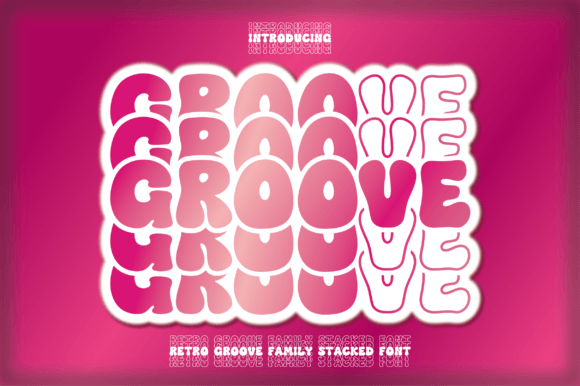
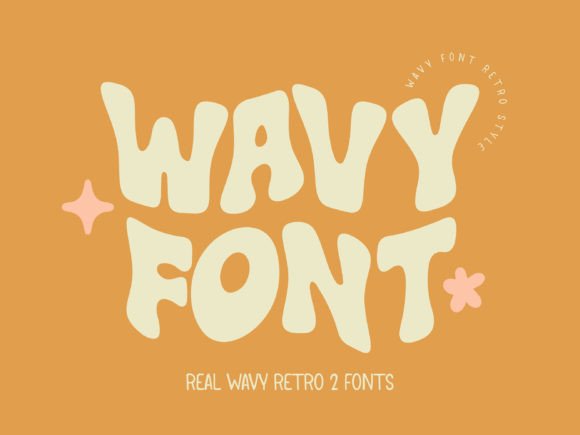
The 1970s aesthetic has made a massive comeback, bringing with it a demand for typography that captures the spirit of that era without feeling dated or cheesy. Wavy Retro stands out in this crowded space as a Groovy font style defined by its distinct wavy effect. It offers a playful yet stylish look that instantly signals nostalgia, making it a top contender for branding projects, album covers, and social media graphics. However, simply downloading a trendy font is not enough to guarantee a professional result. Many creators, from seasoned marketers to hobbyist bloggers, often stumble over specific technical and design nuances when integrating such a unique typeface into their workflow. Understanding these potential stumbling blocks before you begin can save you hours of frustration and ensure your final output looks polished rather than amateurish.
Misunderstanding the Scope of Application
One of the most common mistakes designers make with Wavy Retro is assuming its versatility extends to every part of a layout. Because the font features a pronounced wavy baseline and stylized curves, it commands immediate attention. This makes it perfect for headlines, logos, and short promotional banners where you want to evoke a fun, nostalgic touch. However, using it for body text or long paragraphs is a recipe for poor readability. The eye struggles to track lines that undulate significantly, leading to reader fatigue and disengagement.
If you are building a website or a brochure, reserve Wavy Retro strictly for display purposes. Pair it with a clean, neutral sans-serif or a classic serif for your main content. This contrast allows the groovy elements of the headline to shine while maintaining the legibility required for effective communication. A better approach is to use the font for impact—think of it as the visual equivalent of a bold color accent rather than the canvas itself.
Overlooking PUA Encoding Capabilities
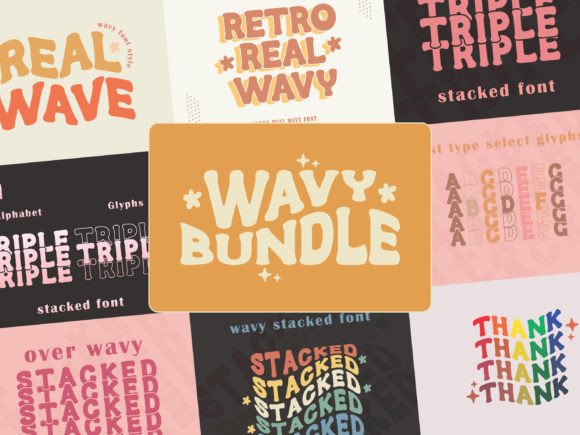
A significant number of users download fonts like Wavy Retro and never realize they are only using a fraction of what the file offers. This font is PUA encoded, which means all the amazing glyphs, alternate characters, and ligatures are accessible directly through standard character maps or OpenType panels in design software. A frequent error occurs when a designer manually tries to recreate a stylistic flourish or settles for a default letterform because they don't know how to access the extras.
Ignoring these built-in features limits your creative freedom and can result in a generic-looking logo that fails to stand out. For instance, the connection between specific letters might look awkward in the default setting, but a hidden ligature could create a seamless, flowing line that defines the brand's identity. To avoid this, always open the font in your preferred design tool and explore the glyph panel. Look for alternate "a"s, "g"s, or swashes that can be toggled on. Taking the time to learn how to access these PUA-encoded assets ensures you are getting the full value of the typeface and allows for a truly custom application.
Neglecting Legibility in Small Sizes
While the wavy effect is the defining characteristic of this Groovy font style, it can become a liability when scaled down. A common oversight happens when entrepreneurs try to use Wavy Retro on business cards, favicon icons, or mobile app interfaces without testing the resolution. At small sizes, the intricate curves and varying stroke widths can blur together, rendering the text illegible. This negatively affects usability and professionalism, potentially causing customers to miss critical information like a phone number or website URL.
Before finalizing any design, print a physical proof or view the mockup on the actual device intended for consumption. If the waves start to look like noise or the letters merge, it is time to switch to a simpler typeface for that specific element. Remember, a stylish choice for designs seeking a nostalgic touch must still function effectively. If the audience cannot read it instantly, the design has failed its primary purpose, regardless of how cool the aesthetic might be.
Clashing with Incompatible Visual Elements
Another area where projects often go wrong is the surrounding visual context. Because Wavy Retro carries such a strong personality, pairing it with conflicting imagery can create a disjointed user experience. For example, placing this fluid, organic font over a rigid, high-tech geometric background or alongside ultra-minimalist corporate photography can feel jarring. The brain struggles to reconcile the conflicting messages of "fun and free" versus "strict and corporate."
To maintain a cohesive brand narrative, ensure your supporting graphics align with the retro vibe. Consider using grainy textures, warm color palettes reminiscent of the 70s, or hand-drawn illustrations that complement the font's playful nature. If you are working on a modern tech startup but want to use this font for a specific campaign, isolate it within a dedicated graphic element rather than forcing it into the core interface. This strategic separation allows you to leverage the trend without compromising your overall brand consistency.
Skipping the Licensing and File Check
Finally, a practical but often ignored step is verifying the file integrity and licensing terms before commercial use. While Wavy Retro is described as fun and perfect for every design, "every design" does not automatically mean "free for commercial use" unless explicitly stated by the creator. Using a font in a client project or a product you sell without the proper license can lead to legal issues and unexpected costs down the road.
Additionally, always check the file formats included in your download. Ensure you have the OTF or TTF files compatible with your operating system and software. Sometimes, users download web-only versions and struggle to install them for print work, delaying their project timelines. By reading the included readme file and confirming the license scope—whether it covers merchandise, digital ads, or broadcast—you protect your business and ensure smooth sailing throughout the production process.
Incorporating Wavy Retro into your toolkit can elevate your projects with a dose of charismatic nostalgia. By avoiding these common pitfalls regarding legibility, feature utilization, and contextual pairing, you can harness the full power of this Groovy font style. The goal is not just to follow a trend, but to apply it with intention and skill, resulting in designs that are both visually striking and functionally sound.