Unlocking Creative Potential with Walt Melody: A Comprehensive Guide to the Display Font
In the vast ecosystem of graphic design, typography serves as the voice of visual communication. It dictates tone, establishes brand identity, and guides the viewer's emotional response. Among the myriad of typefaces available, display fonts hold a special place for their ability to capture attention instantly. Walt Melody emerges as a distinctive contender in this space, offering a unique style that bridges the gap between nostalgic charm and modern versatility. Inspired by the iconic aesthetics associated with classic animation studios, specifically echoing the whimsical nature of the Walt Disney font, this typeface provides designers with a tool to make their creative ideas come alive.
For professionals, hobbyists, and business owners alike, understanding the nuances of a font like Walt Melody is essential for leveraging its full potential. This article explores the characteristics, technical specifications, practical applications, and strategic considerations of using this display font in various projects.
The Aesthetic DNA of Walt Melody
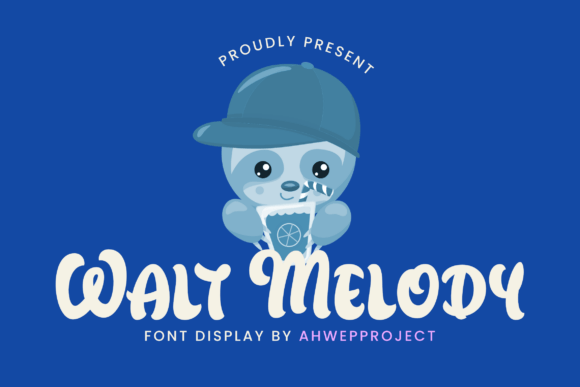
The visual appeal of Walt Melody lies in its careful balance of playfulness and readability. Display fonts are often criticized for sacrificing legibility for style, but this typeface manages to maintain a coherent structure while delivering a strong personality. The inspiration drawn from the legendary Disney aesthetic means that the letterforms possess a certain bouncy, organic quality. The curves are generous, the terminals are soft, and the overall weight distribution suggests movement and joy.
When analyzing the glyph shapes, one notices a deliberate avoidance of harsh angles. Instead, the font favors rounded edges and fluid transitions between strokes. This makes it particularly effective for contexts where the goal is to evoke feelings of happiness, nostalgia, or family-friendly warmth. Whether used in a logo for a children's boutique or a headline for a travel blog about theme parks, the font immediately sets a welcoming tone. It transforms standard text into a visual element that feels hand-crafted and inviting.
Technical Superiority: The Power of PUA Encoding
Beyond its visual charm, Walt Melody offers significant technical advantages that cater to advanced users and developers. A standout feature is its PUA (Private Use Area) encoding. For those unfamiliar with typography technicalities, PUA encoding is a method that allows font creators to map custom glyphs and ligatures to specific code points within the font file that are not standardized by Unicode.
What does this mean for the end user? It ensures complete access to every single glyph, alternate character, and decorative swash included in the font package without the need for complex software workarounds. In many non-PUA encoded fonts, accessing special characters might require copying and pasting from a character map or using specific key combinations that vary across operating systems. With Walt Melody's PUA encoding, these unique stylistic sets are readily accessible through standard design applications like Adobe Illustrator, Photoshop, and even web-based CSS implementations (with proper mapping).
This level of accessibility is crucial for creators who want to maximize the "unique style" promised by the font. It allows for the creation of truly custom logos where specific letter combinations can be swapped for more aesthetically pleasing alternates, ensuring that no two designs look exactly the same. For web developers, this means cleaner code and more reliable rendering of special characters across different browsers, provided the font is served correctly.
Strategic Applications Across Industries
The versatility of Walt Melody extends far beyond simple headings. Its unique style makes it adaptable to a wide range of industries and use cases. By understanding where this font shines, designers and business owners can make informed decisions about their branding strategies.
- Entertainment and Media: Given its inspirational roots, the font is a natural fit for movie posters, event flyers, and streaming service thumbnails. It captures the magic of storytelling.
- Educational Materials: Teachers and educational content creators can use Walt Melody to make learning materials more engaging for younger audiences. The friendly letterforms reduce the intimidation factor of dense text.
- Retail and Packaging: Products aimed at families, such as toys, confectionery, or casual apparel, benefit from the approachable vibe of this display font. It stands out on shelves against more sterile, corporate typefaces.
- Hospitality and Tourism: Hotels, resorts, and travel agencies focusing on leisure and relaxation can utilize the font to convey a sense of escape and enjoyment.
Consider a local bakery looking to rebrand. Using a standard sans-serif font might communicate efficiency, but it lacks soul. Switching to Walt Melody for their signage and menu headers instantly injects a sense of tradition and homemade quality. The font acts as a visual cue that tells the customer, "We are fun, we are warm, and we care about the experience."
Integrating Walt Melody into Digital Workflows
In the digital realm, the implementation of display fonts requires careful consideration of load times and responsiveness. However, the benefits of using a high-quality font like Walt Melody often outweigh the minor technical adjustments needed. When used in web design, it is best reserved for H1 and H2 tags, call-to-action buttons, and hero sections.
Because the font is designed to be attractive and noticeable, it should not be overused. A common mistake among novice designers is applying a display font to body text. While Walt Melody is legible at larger sizes, its unique stylistic features can become distracting when read in long paragraphs. The optimal workflow involves pairing Walt Melody with a neutral, highly readable sans-serif or serif font for body copy. This contrast creates a hierarchy that guides the eye naturally from the catchy headline to the informative content.
Furthermore, the PUA encoding facilitates easier integration into variable font workflows. Designers can create dynamic systems where the font adapts to different screen sizes while retaining its characteristic glyphs. This ensures that the "Happy Design" ethos remains consistent whether the user is viewing the content on a desktop monitor or a mobile device.
Comparative Advantages and Market Position
When placed alongside other display fonts in the market, Walt Melody distinguishes itself through its specific emotional resonance. Many "fun" fonts tend to lean too heavily into cartoonish exaggeration, rendering them unusable for anything other than juvenile contexts. Others try to mimic the Disney style but fail to capture the subtle proportional balances that make the original so enduring.
Walt Melody strikes a middle ground. It is whimsical enough to be playful but structured enough to be taken seriously in a professional context. This broadens its audience significantly. It is not just for children's products; it is for any brand that wants to project optimism. In a market saturated with minimalist, geometric fonts, choosing a typeface with distinct personality can be a powerful differentiator. It signals that a brand is confident enough to deviate from the norm and embrace a more human-centric design philosophy.
Moreover, the completeness of the character set, guaranteed by the PUA encoding, offers better value for money compared to fonts that require purchasing separate "pro" versions to access ligatures and alternates. For researchers and archivists working on projects related to animation history or pop culture, having a font that accurately reflects the era's typographic trends while remaining functional for modern media is invaluable.
Best Practices for Implementation
To get the most out of Walt Melody, designers should adhere to a few best practices. First, always prioritize spacing. Display fonts with rounded features often require slightly increased letter-spacing (tracking) to prevent the characters from feeling cramped. Second, leverage the full glyph set. Don't settle for the default appearance of every letter; explore the alternates to find the perfect combination for your specific wordmark.
Color choice also plays a pivotal role. The font's open shapes respond well to vibrant colors, gradients, and even textures. Experimenting with gold foils, pastel fills, or bold primary colors can enhance the "alive" quality of the design. However, ensure sufficient contrast against the background to maintain accessibility standards.
Finally, consider the cultural context. While the font is inspired by a specific legacy, its application should be respectful and appropriate for the target audience. It works best in contexts that celebrate creativity, imagination, and joy. Using it for somber or strictly utilitarian purposes might create a dissonant user experience.
The Future of Expressive Typography
As digital media continues to evolve, the demand for expressive, character-driven typography is growing. Users are increasingly fatigued by generic, template-based designs. Fonts like Walt Melody represent a shift back towards personality in design. They remind us that technology and art can coexist to create experiences that feel human and heartfelt.
For educators teaching design principles, Walt Melody serves as an excellent case study in how historical influences can be modernized. It demonstrates how a font can carry the weight of tradition while functioning seamlessly in contemporary interfaces. For business owners, it offers a tangible way to elevate brand perception without a complete overhaul of visual assets.
In conclusion, the adoption of Walt Melody is more than just a font change; it is a strategic design decision. By combining a unique, Disney-inspired aesthetic with robust technical features like PUA encoding, it empowers creators to push boundaries. Whether you are crafting a logo, designing a website, or laying out a print publication, this font provides the tools necessary to transform abstract ideas into vibrant, living designs. Its ability to make concepts "come alive" is not merely a marketing slogan but a demonstrable reality when applied with skill and intention. As the design landscape continues to value authenticity and emotional connection, typefaces that bridge the gap between nostalgia and innovation will remain indispensable assets for creators worldwide.