Integrating Letter Vintage into Your Creative Workflow
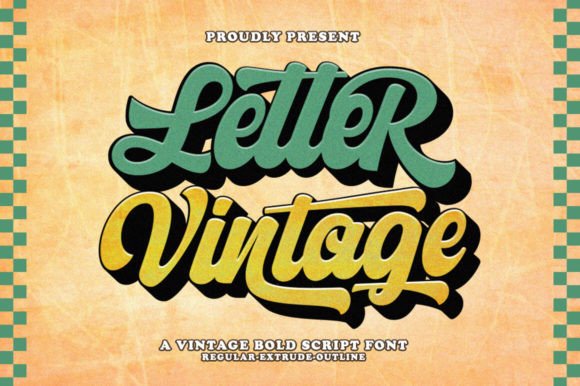
In the landscape of modern graphic design, the tension between sleek minimalism and nostalgic expression creates a dynamic space for typography. Letter Vintage and its companion, Letter Vintage Script, occupy a specific niche within this spectrum, offering designers a bridge to the bold typographic styles of the 1970s and 1980s. However, selecting a font is rarely just an aesthetic choice; it is a strategic decision that impacts the entire lifecycle of a project. For professionals, entrepreneurs, and creators, understanding how to integrate these typefaces into a broader workflow ensures that the final output is not only visually striking but also functionally effective across various media.
When approaching a new branding initiative or a marketing campaign, the preparation phase is critical. This is where Letter Vintage often enters the conversation. Before a single pixel is pushed or a vector path is drawn, the creative director or lead designer must establish the visual tone. If the goal is to evoke trust through nostalgia, energy through retro boldness, or authenticity through hand-lettered imperfections, this font family serves as a foundational asset. It fits into the pre-production stage by helping stakeholders visualize the end product. By applying Letter Vintage to early mood boards or rough concepts, teams can quickly assess whether the retro aesthetic aligns with the brand's long-term goals without committing to full-scale production.
Strategic Application in Branding and Identity
Once the direction is set, the implementation phase begins. Here, the versatility of Letter Vintage becomes apparent. Its bold structure makes it ideal for primary logos, especially for businesses in the food and beverage, apparel, or artisanal goods sectors. When designing a logo, the process involves more than just typing a name; it requires kerning adjustments, ligature considerations, and ensuring legibility at various scales. Letter Vintage Script, with its flowing connections, adds a human touch that balances the rigid geometry of the sans-serif or slab-serif counterparts often found in retro collections.
For small business owners and marketers, consistency is key. Using Letter Vintage across different touchpoints—from business cards to storefront signage—creates a cohesive identity. The workflow here involves creating a style guide that dictates exactly how the font is used. This includes defining minimum sizes, clear space requirements, and appropriate color palettes that complement the 70s and 80s vibe. Without these guidelines, the font can be misused, leading to a fragmented brand image. By treating the font as a core component of the brand architecture rather than a decorative afterthought, organizations ensure that their visual language remains strong and recognizable.
Enhancing Packaging and Product Design
In the realm of packaging, the stakes are higher. The package is the silent salesman on the shelf, and typography plays a pivotal role in catching the consumer's eye. Letter Vintage excels in this environment because its bold strokes stand out against cluttered retail backgrounds. When integrating this font into packaging design, the workflow shifts to consider material constraints. Will the ink bleed on kraft paper? Does the script version remain legible when embossed on a textured box?
Designers must test Letter Vintage in situ. This means printing prototypes and evaluating them under real-world lighting conditions. The interaction between the font and the substrate can alter the perceived weight and style of the letters. For example, the thick terminals of the bold style might close up if printed too small on a porous surface. Addressing these technical details during the pre-press stage prevents costly errors and ensures the final product maintains the intended retro quality. Furthermore, pairing Letter Vintage Script with secondary information fonts creates a hierarchy that guides the consumer's eye from the brand name to the product details seamlessly.
Workflow Efficiency in Digital and Print Media
Beyond physical products, the digital application of Letter Vintage requires a different set of considerations. For web designers and social media managers, the focus shifts to load times, browser compatibility, and responsiveness. While display fonts are often used in images for headers, implementing them as web fonts requires optimization. The workflow involves converting font files into efficient formats like WOFF2 and subseting the character set to include only necessary glyphs. This reduces page load times, which is crucial for user experience and SEO performance.
When creating social media assets, speed is often of the essence. Having Letter Vintage readily available in design templates allows content creators to maintain brand consistency while producing high volumes of content. Whether it is a promotional poster for an event or a quote graphic for Instagram, the font provides an instant stylistic anchor. Marketers can create a library of templates where Letter Vintage is locked in place for headlines, allowing team members to swap out text without risking the integrity of the design. This streamlines the production process and ensures that every post feels part of a unified campaign.
Collaboration and Asset Management
Effective use of any typeface relies on organized asset management. In a collaborative environment involving freelancers, agencies, and internal teams, ensuring everyone has access to the correct version of Letter Vintage is vital. Version control prevents issues where one designer uses an outdated file with missing characters or different spacing metrics. A robust workflow includes a centralized digital asset management (DAM) system where the font files, along with their licensing agreements, are stored securely.
Moreover, communication about how to use the font is essential. Designers should provide context to copywriters and editors about how the text will appear. Long paragraphs in Letter Vintage Script may be difficult to read, so establishing rules about word counts and line lengths helps prevent layout bottlenecks later in the process. By setting these expectations early, the team avoids the frustration of reworking designs due to readability issues. This proactive approach saves time and resources, allowing the project to move smoothly from concept to completion.
Long-Term Viability and Adaptation
Trends in typography are cyclical, but the utility of a well-chosen font extends beyond the current fashion. Letter Vintage draws inspiration from eras that have proven enduring appeal, making it a safe bet for long-term branding. However, markets evolve, and brands must adapt. The beauty of having a versatile font family lies in its ability to stretch. As a business grows, it might need to expand into new product lines or demographics. Letter Vintage can be paired with modern sans-serifs to create a hybrid look that respects heritage while embracing contemporary clean lines.
Educators and publishers can also leverage this adaptability. For book covers or educational materials, the font can signal a specific historical context or a creative theme. In these workflows, the focus is on clarity and engagement. Using Letter Vintage for chapter headings or section breaks adds visual interest without overwhelming the reader. The key is balance; the decorative nature of the script should enhance the content, not distract from it. Careful planning regarding contrast and spacing ensures that the text remains accessible to all readers, including those with visual impairments.
Ultimately, the value of Letter Vintage and Letter Vintage Script lies in their ability to solve specific communication problems through distinct visual language. They are not merely decorative elements but functional tools that, when integrated thoughtfully into a workflow, elevate the quality and impact of creative work. From the initial brainstorming session to the final print run or digital deployment, these typefaces offer a reliable foundation for building memorable and effective designs. By prioritizing preparation, compatibility, and consistent application, creators can harness the full potential of retro typography to achieve their professional and artistic goals.
Whether you are launching a startup, rebranding an established company, or simply looking to add a touch of nostalgia to your next project, the process remains the same: understand the tool, plan its application, and execute with precision. Letter Vintage provides the style; your workflow provides the structure. Together, they create results that resonate with audiences and stand the test of time.